
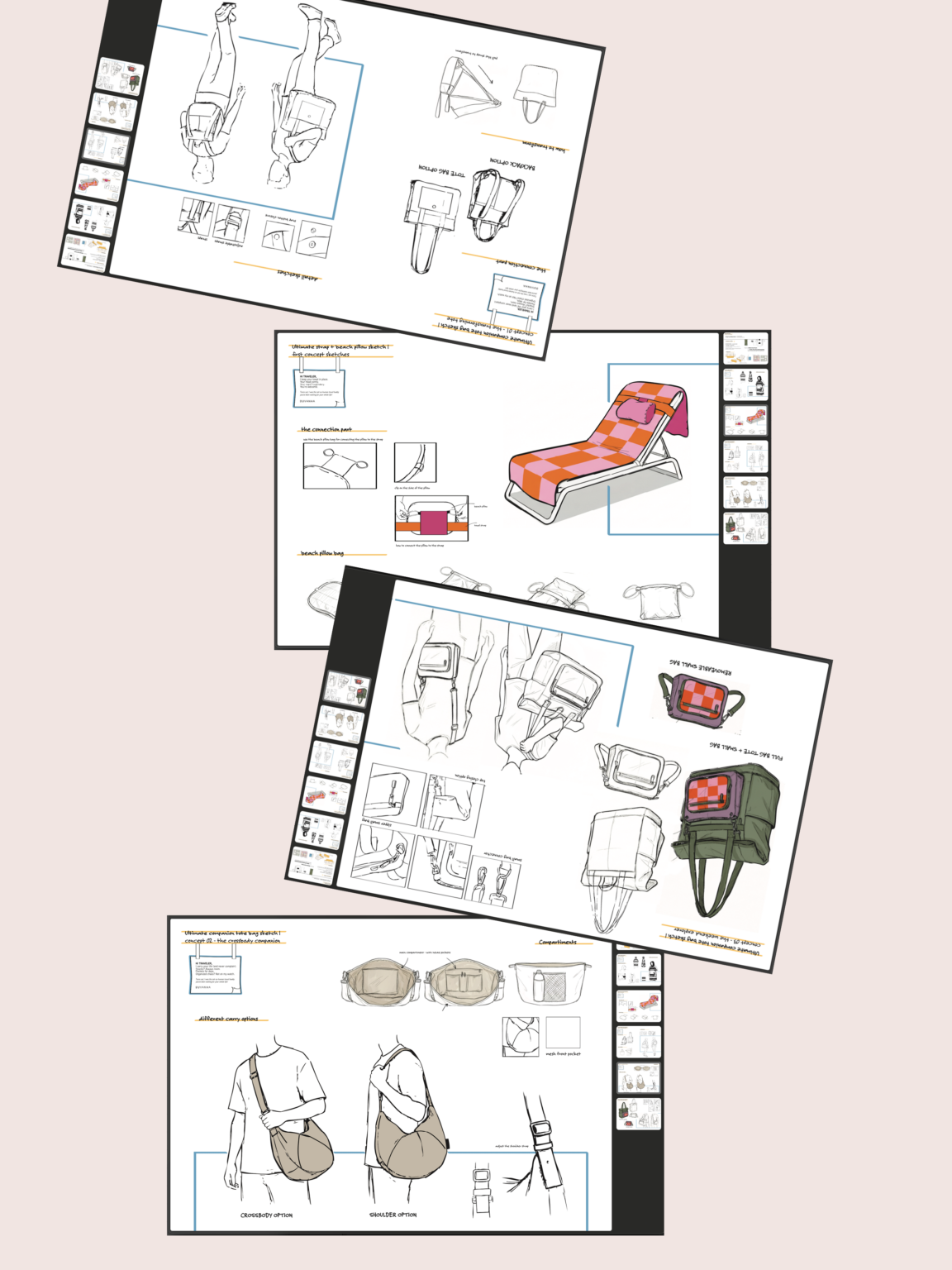
Due to confidentiality, this is as much as I’m able to share about this project.
THE TRAVELOGUE Of
Travel company X
“I helped transform a single travel product into a scalable, user-centered product ecosystem.”
01 The context
Company X had something real, a core travel product with genuine traction. But growth was on the horizon, and with it came a question they didn’t yet have an answer to: how do you expand thoughtfully, without losing what makes you good? They had the ambition. What they needed was direction.
02 The problem
The risk here wasn’t a lack of ideas, it was building the wrong ones. Without a clear understanding of who their future users actually were, and what those people genuinely needed from a travel experience, any new product would just be a guess dressed up as a strategy. I wanted to change that.
03 My role
As ‘Product Innovation Manager’, my job was to bridge the gap between business ambition and human reality. I worked closely with the internal team to define where we were going, while leading the research and strategic thinking that would get us there.
04 The process
a. Stakeholder session
Before anything else, I sat down with the internal team to get a honest picture of where things stood: what they knew, what they assumed, and where the real gaps were. That conversation set the tone for everything that followed.
b. User Research
I then went out and spoke to real people. Not to validate what we already thought, but to genuinely listen. I wanted to understand what drives someone’s travel decisions, where current experiences fall short, and what emotions are really at play when people plan a trip.
c. Insight
What came back from those conversations was something I’ve come to expect in this kind of work, but that never stops being important: travel isn’t a functional decision. It’s a deeply personal one. Different people bring completely different expectations, motivations, and definitions of what a good experience looks like. That nuance mattered enormously for what came next.
d. Value Proposition Design
Using the Value Proposition Design framework, I translated everything we’d learned into something the team could actually work with:
- Customer Profiles to map what people are trying to do, what frustrates them, and what they’re hoping for
- Personas to make those target groups feel real and tangible
- Value Maps to define how each product idea could respond to genuine needs
- The Value Proposition Canvas to keep user needs and product thinking tightly aligned
This is the part of the process I find most satisfying, watching a messy set of insights slowly become a clear, structured direction.
e. Concept Development From there, we shaped multiple new product directions, each one tailored to a specific audience, with a clear reason to exist. Instead of a single offering stretched thin, Company X now had the beginnings of a genuine product portfolio, each piece rooted in something real.
f. Iteration & validation Nothing got signed off in isolation. Throughout the process I kept coming back to stakeholders, pressure-testing ideas, and checking everything against what we’d heard from users. I find that rhythm: research, reflect, refine is what separates concepts that feel good in a meeting from ones that actually hold up in the real world.
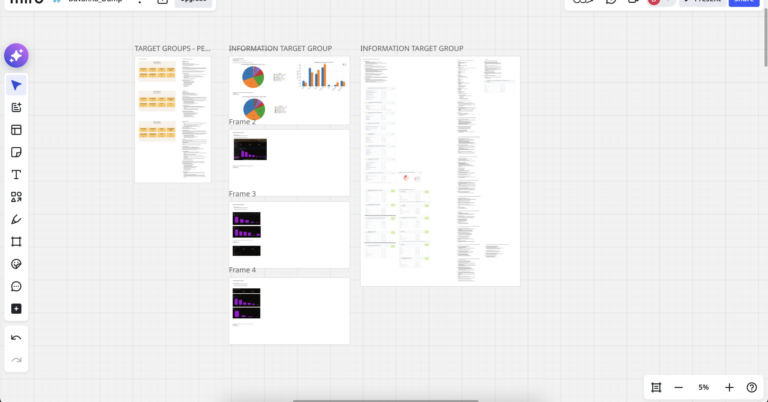
a part of the big user research i did
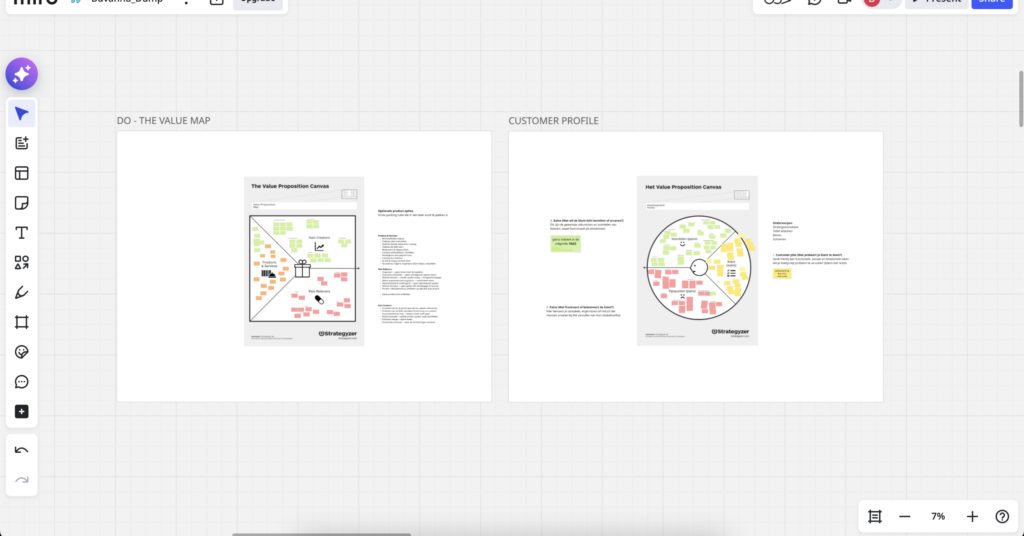
translating the research into the value map + customer profile
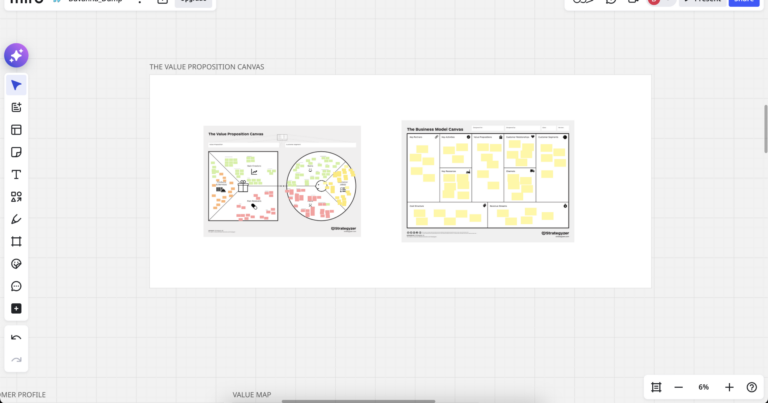
from the value proposition canvas to the business model canvas.
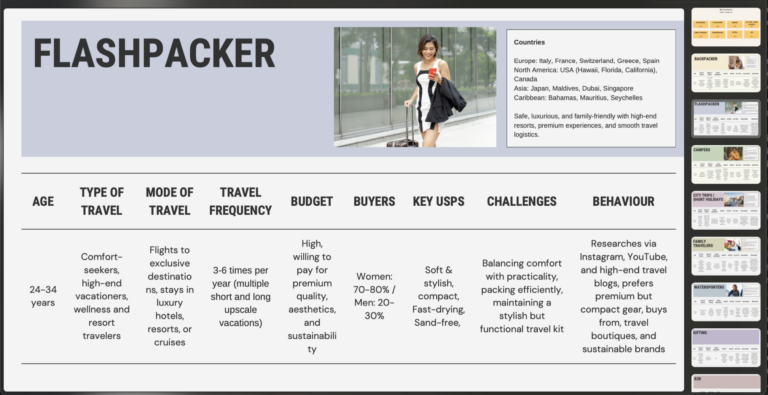
different persona’s
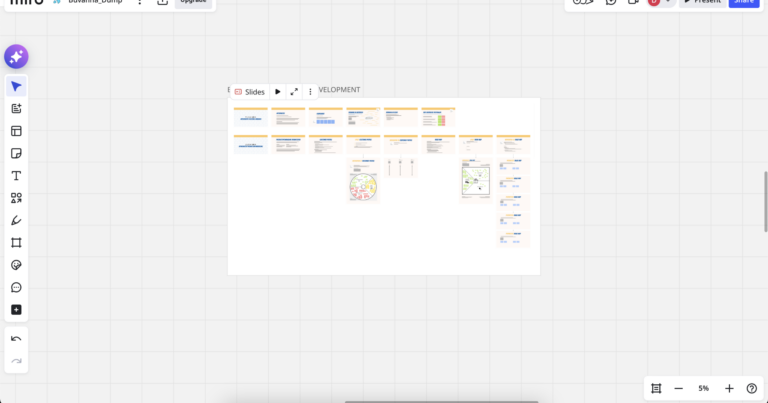
Facilitated a team brainstorm session to drive product development.
05 Outcome
By the end, Company X had something more valuable than a list of new product ideas. They had a framework for thinking about their users, a set of validated value propositions, and the confidence to make decisions based on insight rather than instinct.
They were no longer asking “what else can we offer?” — they were asking “what does this specific person truly need?” That shift, more than anything, is what I’m most proud of from this project.
Reflection
This project reminded me why I love working at the intersection of strategy and human behaviour. The most useful thing I can do for a business isn’t to come in with answers, it’s to ask better questions, and then help turn what comes back into something they can actually build on.
Good innovation isn’t about doing more. It’s about doing the right things, for the right people, for the right reasons.
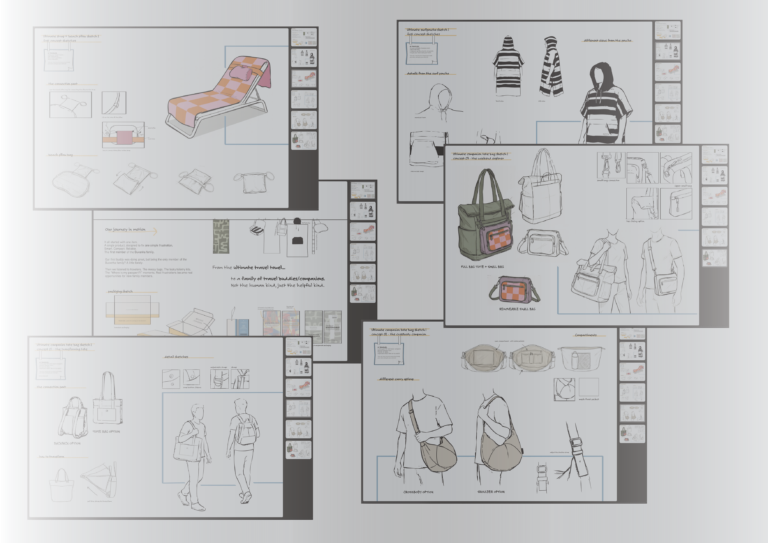
Concept sketches
The result? The project delivered what Company X had been missing: a focused set of product concepts, sketched and validated, ready to be picked up and developed. Each one tied directly back to a real user need, giving the team both the direction and the confidence to move forward.